An Instagram question caught my attention today. It went something like this: do you want an audience or a village? So many of us are on social media posting and refreshing, clicking and liking but to what end? The question made me think about the difference between an audience and a village.
For this article, audience will be defined as a group of people from all walks of life who gather at an event or the intended viewer or consumer of art. An audience at a political rally and one at a poetry reading will have many different reasons for being there but they share the desire to take away something from the event. The audience for any particular book, event, show, concert or rally is unique. That same exact group is unlikely to ever repeat.
In this example, the politician or writer also receives something from the audience as a direct result of their attendance. That could be status, sales, affiliation, power, validation or platform. He or she provides a product to those consumers. At times, he or she is the product. As long as what is being offered meets the desires of the audience, they will stay engaged and as long as they are engaged, the performer will receive those benefits.
But when times change, when there is a new product on the market, a new platform unveiled, a shift in buying power, or a more personal change like age, both performer and audience are affected. If the balance is upset enough, the audience moves on. The performer’s window of opportunity slams shut unless he or she finds a way to move with the times, reset the balance and give the people what they seek.
There is a transactional nature to the relationship between performer and audience. They pay for a product, ticket or membership and the performer delivers what is paid for. The investment is their time and money, both valuable and limited. The passion that drives the consumer is personal, and often, self-centered. In the course of pursuing it, the consumer will cross paths with others who desire the same thing but that would likely be their only commonality.
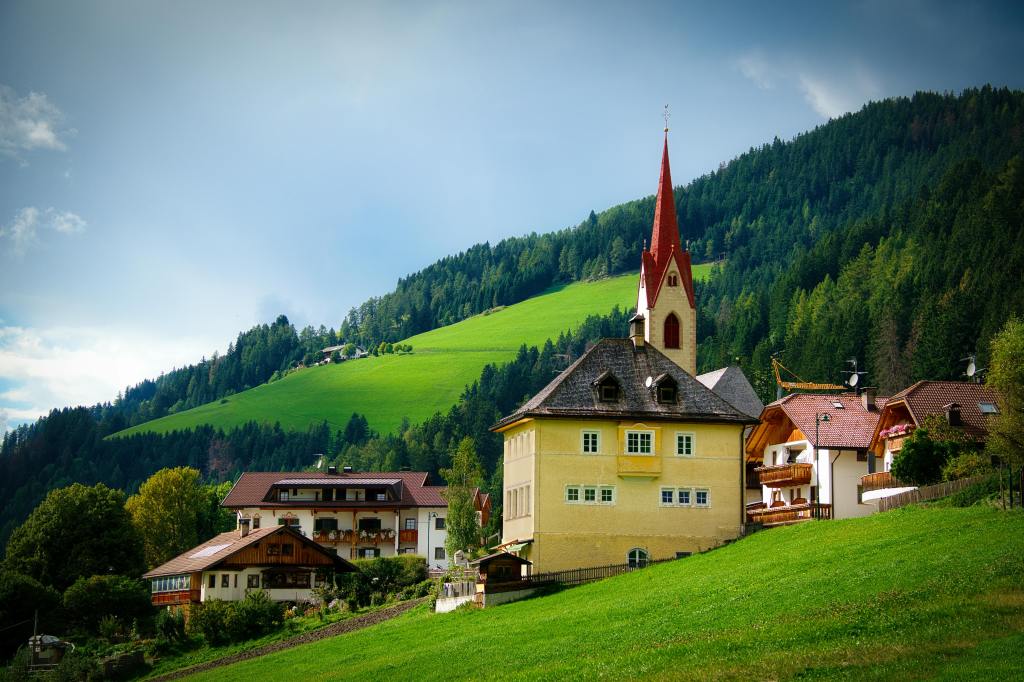
A village is a small group of homes in one area. The residents come together as life and interests dictate over the course of days, months or years, to work, learn and grow together. Think of community hall dances, carol singers, garage sales, church clean-up days, barn raisings, quilting bees, and town hall meetings.
The individuals in a village will remain unless they are separated from it by death, a move to a different place or another life-altering event, sometimes as a result of their choice, oftentimes not.
A village takes its identity from the land it shares, the goals it pursues and the relationships it grows. This is not socialism but rather a voluntary interdependence. It is a way of otherness, of shared purpose. The artist becomes part of a larger community where he paints murals to colour the walls of the senior’s residence but also listen to their stories and learns from their lives. Teachers are also students. The village is where you find second and third-generation farmers, mechanics, bookkeepers and ministers. It is where hospitality is practiced.
A villager is part of the larger village. His investment is multi-dimensional and might change over time. It is not solely dependent on time or finances. His heart is engaged because of shared purpose.
The focus is not on leading or attending. Not on the product or the consumer. It’s on sharing a life together, good and bad. It’s on respecting the gifts others bring to the table just as you bring your own. It’s seeing success not in likes and follows, not in dollar signs or sales numbers but in strong relationships, hard work and a legacy worth passing on.
Discover more from Susan Reimer
Subscribe to get the latest posts sent to your email.


Lovely post. I’m happy to be part of your “village,” despite the distance involved!
LikeLiked by 1 person
Thank you! I am grateful for you and your insight as well!
LikeLike